
Essential Car Maintenance Tasks – Regular maintenance is key to ensuring your car remains reliable and safe. By performing routine checks and minor repairs, you can extend the life of your vehicle, improve its performance, and avoid costly repairs down the line. Here are some essential maintenance tasks every car owner should perform.
Essential Car Maintenance Tasks
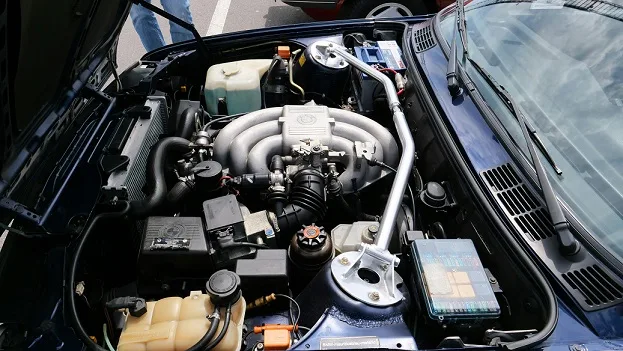
1. Oil Changes
One of the most critical aspects of car maintenance is changing the oil regularly. Engine oil lubricates the moving parts of the engine, reduces friction, and prevents overheating. Over time, oil can become dirty and less effective. Typically, you should change your oil every 3,000 to 5,000 miles but always refer to your vehicle’s owner manual for the manufacturer’s recommendations. Regular oil changes help maintain engine health and performance.
2. Check and Replace Air Filters
Air filters prevent dirt and debris from entering the engine. A clean air filter ensures proper airflow, which is essential for engine efficiency and performance. Clogged or dirty filters can reduce gas mileage and increase emissions. It’s advisable to check your air filter every 12,000 to 15,000 miles and replace it if it’s dirty or damaged. This simple task can significantly improve your car’s performance.
3. Inspect and Maintain Tires
Tires are crucial for your car’s safety and efficiency. Regularly check the tyre pressure using a pressure gauge and ensure they are inflated to the manufacturer’s recommended levels. Under-inflated tyres can lead to poor fuel economy and uneven tyre wear, while over-inflated tyres can reduce traction and cause a harsher ride. Additionally, inspect the tread depth and look for signs of uneven wear or damage. Rotate your tyres every 6,000 to 8,000 miles to promote even wear and extend their lifespan.
4. Check Fluid Levels
Apart from engine oil, your car relies on several other fluids to operate smoothly. Regularly check the levels of the following fluids and top them off as needed:
- Brake Fluid: Essential for proper braking performance.
- Transmission Fluid: Ensures smooth gear shifts.
- Coolant (Antifreeze): Keeps the engine from overheating.
- Power Steering Fluid: Ensures easy and responsive steering.
- Windshield Washer Fluid: Keeps your windshield clean for safe visibility.
Low or dirty fluids can lead to significant issues, so it’s important to check them regularly and replace or refill them as needed.
5. Battery Maintenance
Your car’s battery provides the electrical power needed to start the engine and run other electrical components. Inspect the battery regularly for corrosion on the terminals and ensure the connections are tight. If you notice any buildup, clean it off with a mixture of baking soda and water. Also, check the battery’s charge using a multimeter. If the voltage is low, it may be time to replace the battery to avoid unexpected breakdowns.
6. Inspect Brakes
Brakes are crucial for your safety. Regularly check the brake pads, rotors, and brake fluid. If you hear squeaking or grinding noises when braking, or if the brake pedal feels soft or spongy, it’s time to inspect your brakes. Replacing brake pads before they wear out completely can prevent damage to the rotors and ensure your brakes work effectively when you need them most.
7. Replace Wiper Blades
Wiper blades are essential for clear visibility during adverse weather conditions. Over time, they can become cracked, torn, or less effective. It’s a good idea to replace your wiper blades every six months to a year, or whenever you notice they are not clearing the windshield effectively.
8. Inspect Belts and Hoses
Belts and hoses play critical roles in your car’s engine. The serpentine belt, for example, drives multiple components like the alternator and power steering pump. Regularly inspect these belts for signs of wear, cracks, or fraying. Hoses, which carry fluids throughout the engine, should be checked for leaks, cracks, or soft spots. Replacing worn belts and hoses can prevent breakdowns and costly repairs.
9. Keep it Clean
Regularly washing and waxing your car is not just about aesthetics; it also protects the paint and prevents rust. Dirt, grime, and road salt can damage your car’s finish and lead to corrosion. A clean interior is equally important. Vacuum the carpets and seats, wipe down surfaces, and remove any clutter. Clean windows ensure good visibility and a tidy car makes for a more pleasant driving experience.

Regular car maintenance is essential to keep your vehicle running smoothly, efficiently, and safely. By performing these tasks regularly, you can prevent major issues, extend the life of your car, and ensure it remains a reliable mode of transportation. Set reminders for these maintenance tasks and make them a part of your routine to keep your car in top condition.