
A Guide to Starting School for the First Time – Starting school for the first time is a significant milestone in a child’s life. It marks the beginning of a new journey filled with learning, growth, and new experiences. As parents, it is essential to understand the importance of preparing your child for their first day of school and to provide them with the necessary tools to thrive in this new environment. In this guide, we will explore the various aspects of preparing for success and offer valuable tips to ensure a smooth transition into the world of education.
The importance of preparing for the first day of school
The first day of school can be both exciting and overwhelming for a child. It is crucial to prepare them mentally and emotionally for this new chapter in their lives. One way to do this is by talking to your child about what to expect on their first day. Explain to them that school is a place where they will make new friends, learn new things, and have fun. Encourage them to ask questions and express any concerns they may have. By setting positive expectations, you can help alleviate any anxieties they may be feeling.
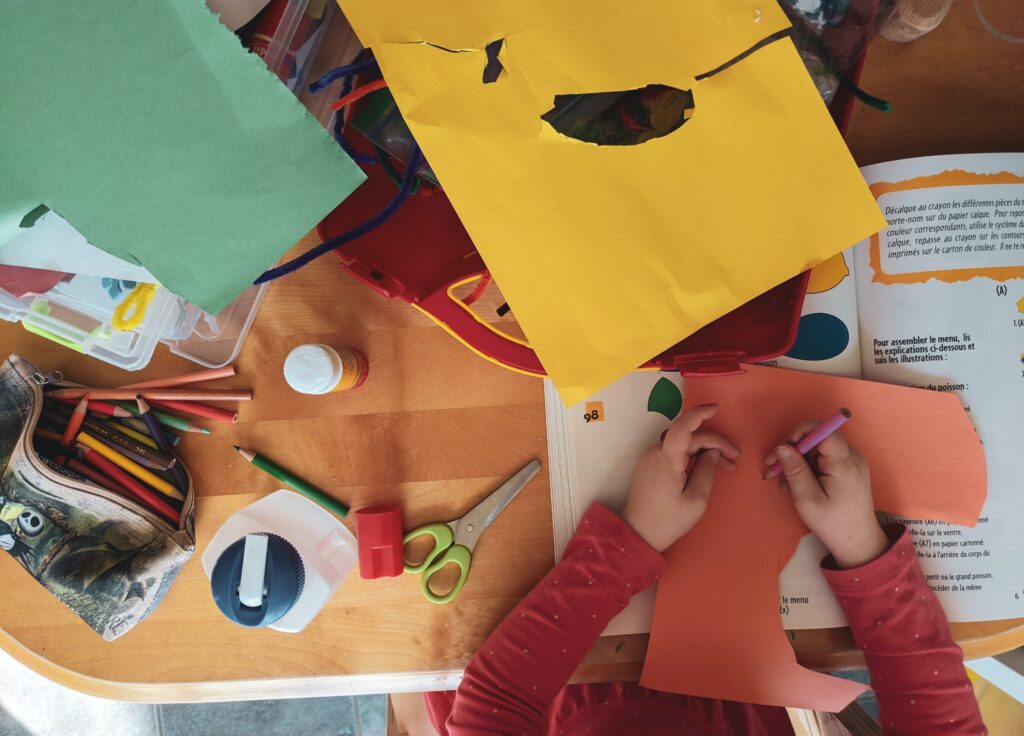
Another vital aspect of preparation is familiarizing your child with the school environment. Take them on a tour of the school before their first day, if possible. Show them their classroom, the playground, and other important areas. This will help them feel more comfortable and confident when they arrive on their first day. Additionally, consider arranging playdates with other children who will be attending the same school. This will help build familiarity and foster new friendships before school even begins.
Understanding the emotions and anxieties of starting school for the first time
Starting school for the first time can be an emotional experience for both children and parents. It is normal for children to feel a mix of excitement and nervousness. As parents, it is essential to acknowledge and validate these emotions. Encourage your child to express how they are feeling and assure them that their emotions are normal. Let them know that it’s okay to feel nervous, but also highlight the exciting opportunities that lie ahead.
Parents may also experience their own anxieties when sending their child off to school. It is natural to worry about their well-being and how they will adapt to this new environment. However, it is important to maintain a positive and supportive attitude. Remember that children are resilient and capable of handling new challenges. Trust in their ability to navigate this new journey and be there to support them along the way.
Physical preparations for the first day of school
In addition to emotional preparation, there are practical steps you can take to ensure a smooth start to the school year. Begin by organizing your child’s school supplies and labeling them with their name. This will help them feel a sense of ownership and prevent any mix-ups with other students. Create a checklist of essential items such as a backpack, lunchbox, water bottle, and any required school uniforms or attire. By being prepared in advance, you can avoid any last-minute stress on the first day.
It is also vital to establish a healthy sleep routine before school starts. Gradually adjust your child’s bedtime and wake-up time to align with their school schedule. This will help them get into the habit of waking up early and feeling well-rested. Adequate sleep is crucial for their overall well-being and will contribute to their ability to focus and engage in the classroom.
Setting a routine and schedule for school days
A consistent routine is key to a successful school experience. Establishing a daily schedule will help your child develop good habits and provide them with a sense of structure. Start by creating a morning routine that includes time for breakfast, getting dressed, and any other necessary preparations. Set aside a specific time for homework and designate a quiet study area where your child can concentrate.
It is also important to establish a routine for after-school activities. Discuss with your child how they would like to spend their free time, whether it be participating in extracurricular activities, engaging in hobbies, or simply having time for relaxation. By involving them in the decision-making process, you will empower them to take ownership of their time and make choices that align with their interests.
Building social skills before starting school
Social skills are an essential aspect of a child’s development, and they play a significant role in their success at school. Before starting school, encourage your child to engage in activities that promote social interaction. Arrange playdates with other children their age, enroll them in group activities or classes, and encourage them to participate in community events. These experiences will help them develop important social skills such as sharing, taking turns, and resolving conflicts.
Additionally, teach your child about empathy and the importance of kindness. Explain the value of treating others with respect and encourage them to be inclusive and accepting of their peers. By instilling these values early on, you are setting the foundation for positive social interactions at school.

Back-to-school shopping essentials
Back-to-school shopping is an exciting time for both parents and children. It is an opportunity to gather the necessary supplies and prepare for the upcoming school year. Create a comprehensive list of school supplies based on the requirements provided by the school. Include items such as notebooks, pencils, erasers, rulers, and any other materials specific to your child’s grade level. Consider involving your child in the shopping process, allowing them to choose items that reflect their personal style and preferences.
In addition to school supplies, back-to-school shopping also includes clothing and accessories. Check with the school for any dress code requirements and ensure that your child has appropriate attire. Take inventory of their wardrobe and determine what items need to be purchased. Consider shopping together and involve your child in the decision-making process. This will not only ensure that they have clothing they feel comfortable in but also foster their independence and decision-making skills.
Tips for a smooth transition on the first day of school
The first day of school is a significant event, and there are several strategies you can employ to ensure a smooth transition for your child. Begin by waking up early to allow ample time for your child to get ready without feeling rushed. Prepare a nutritious breakfast to fuel their day and provide them with the energy they need. Double-check that they have all their necessary school supplies and ensure that their backpack is organized and ready to go.
When you arrive at the school, take the time to accompany your child to their classroom. Help them find their desk or locker and assist them in settling into their new environment. If your child is feeling anxious, remind them of the positive aspects of school and encourage them to make new friends. It may also be helpful to introduce yourself to their teacher and establish open lines of communication for the future.

How parents can support their child’s first day of school
As a parent, your role in supporting your child’s first day of school is crucial. Start by listening to your child’s concerns and addressing any anxieties they may have. Reassure them that you are there for them and that their feelings are valid. Provide encouragement and praise for their bravery in embarking on this new adventure.
In the days leading up to the first day, engage your child in conversations about school. Ask open-ended questions about their expectations, hopes, and fears. By actively listening and responding empathetically, you will create a safe space for your child to express themselves.
On the first day of school, try to remain calm and positive. Children often look to their parents for cues on how to react to new situations. If you display confidence and excitement, it will help your child feel more at ease. Show interest in their day and ask specific questions about their experiences. Celebrate their achievements, no matter how small, and let them know that you are proud of their efforts. By being actively involved and supportive, you are setting the stage for a successful school journey.
Dealing with separation anxiety for both parents and children
Separation anxiety is a common occurrence when starting school for the first time. It is important to remember that it is a natural part of a child’s development and that most children will eventually overcome it. However, there are strategies you can employ to help ease the transition.
When saying goodbye to your child, keep the farewell short and sweet. Lingering goodbyes can prolong the anxiety and make the separation more difficult. Assure your child that you will return at the end of the school day and reinforce the idea that school is a safe and enjoyable place.
For parents experiencing separation anxiety, it can be helpful to find a support system. Connect with other parents who are going through similar experiences or seek guidance from teachers or school counselors. Remember that it is normal to feel a mix of emotions, but trust in your child’s ability to adapt and thrive in their new environment.
Starting school for the first time is an exciting milestone for both children and parents. By adequately preparing your child for this new adventure, you are setting them up for success. Understand the importance of emotional and physical preparation, establish routines and schedules, and encourage the development of social skills. Take advantage of back-to-school shopping to involve your child in the process and make it a fun and memorable experience. On the first day of school, provide support and reassurance, and be present in their journey. Embrace this new chapter and watch as your child grows and thrives in their educational endeavors.